How to Choose the Right Solar Mounting Structure for Your Roof Type
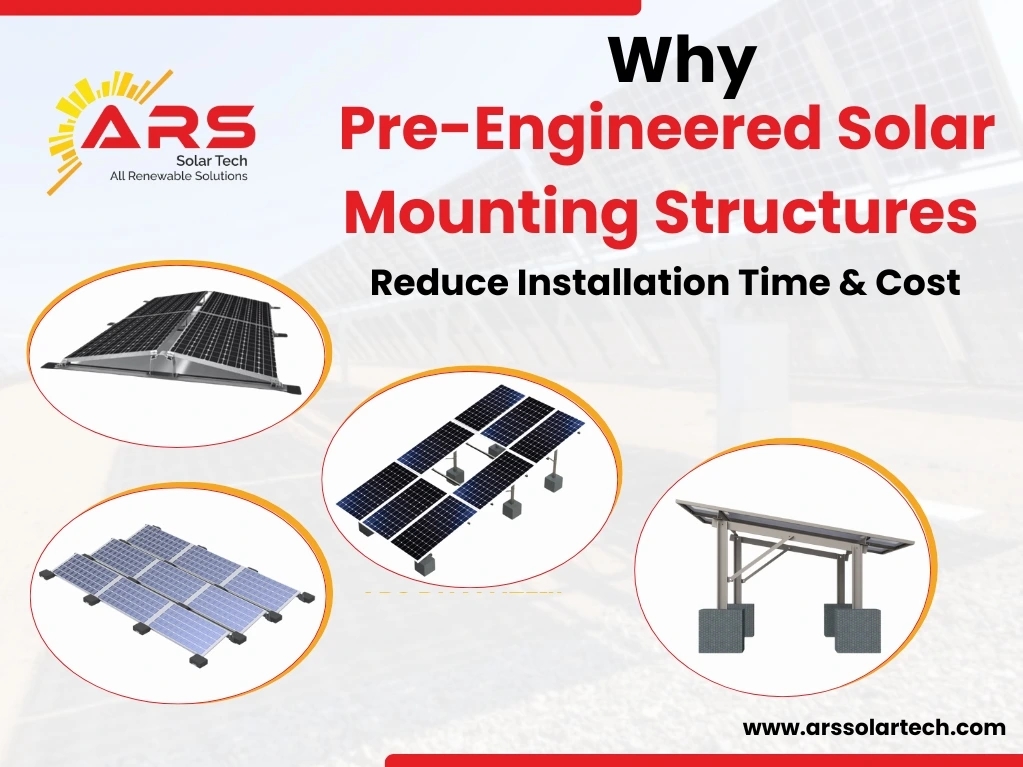
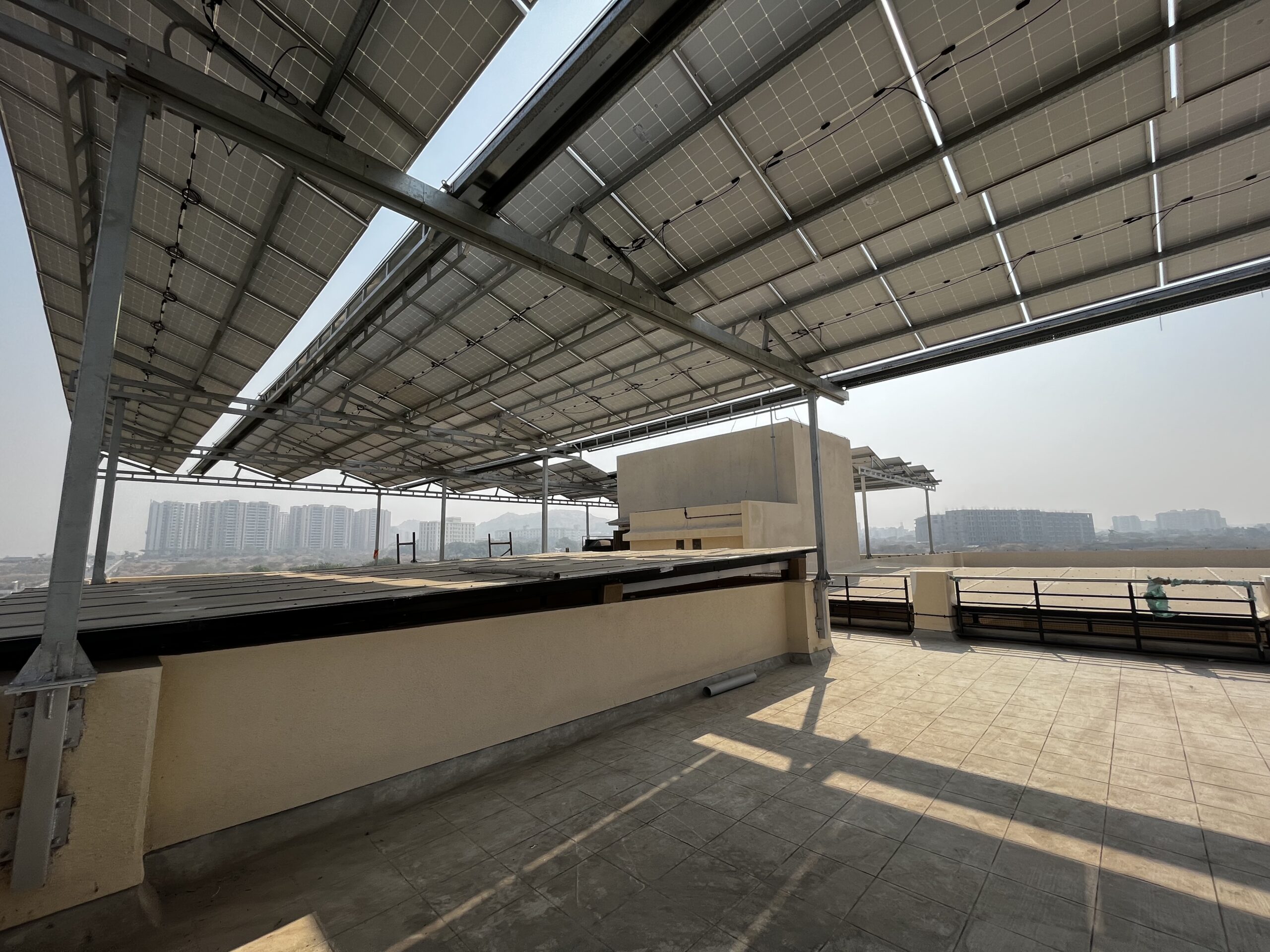
Transitioning to solar energy is one of the most significant investments a homeowner or business owner can make. While much of the focus typically goes toward the efficiency of solar panels or the capacity of inverters, there is a silent hero in every installation: the mounting structure. The mounting system is the skeletal framework of your solar project. It ensures your panels remain secure during high winds, withstands heavy snow loads, and maintains the integrity of your roof. At ARS Solartech, we believe that a solar solution is only as good as its foundation. Choosing the wrong mounting system can lead to roof leaks, reduced energy yield, or even structural damage. In this guide, we will break down how to match the right solar mounting structure to your specific roof type to ensure long-term performance and peace of mind. Understanding the Importance of Roof-Specific Mounting Every roof is built differently, using varying materials, slopes, and structural supports. A mounting system designed for a flat concrete roof will not work on a steep metal sheet roof. The goal is to achieve a “flush fit” or an optimal tilt without compromising the water-tightness of the building. When you work with ARS Solartech, our engineering team prioritizes a “Roof-First” approach. This means we evaluate the material and load-bearing capacity of your roof before recommending a racking solution. 1. Metal Roofs: The Ideal Canvas for Solar Metal roofs—whether standing seam, corrugated, or trapezoidal—are among the most solar-friendly surfaces. Standing Seam: This is the gold standard for solar installations. We use specialized clamps that grip the “seams” of the roof. The best part? This method requires zero penetrations. Since we aren’t drilling holes, the roof’s warranty remains fully intact. Corrugated and Trapezoidal: For these roofs, we utilize “mini-rails” or L-feet that are fastened to the crowns of the metal sheets. High-quality EPDM rubber gaskets are essential here to ensure a waterproof seal at every fastening point. ARS Solartech utilizes high-grade aluminum alloys for metal roof mounts to prevent galvanic corrosion, ensuring the mount lasts as long as the roof itself. 2. RCC (Flat Concrete) Roofs: Maximizing Angle and Airflow Flat roofs, common in urban residential buildings and industrial complexes, offer the most flexibility but require a different engineering logic. Since the roof has no natural slope, the mounting structure must provide the “tilt.” Ballasted Systems: In cases where the owner prefers not to drill into the concrete (to avoid any risk of seepage), we use ballasted mounts. These structures use heavy concrete blocks to hold the panels in place via gravity. Fixed Tilt Structures: For maximum energy generation, we often install elevated triangular frames. These allow us to angle the panels at the perfect latitude-based degree to capture maximum sunlight. 3. Tiled Roofs: Precision and Protection Whether you have clay, ceramic, or concrete tiles, the mounting process is more delicate. You cannot simply drill through a tile; it will crack. For these roofs, the industry standard is the Tile Hook method. Our installers carefully lift or momentarily remove a tile to fasten a stainless-steel hook directly to the rafters. The tile is then placed back over the hook. This ensures the weight of the solar array is supported by the building’s internal skeleton, not the fragile tiles. How to Evaluate Your Options: A Guide to Choosing the Best Structure To ensure your installation is SEO-friendly and structurally sound, keep these three factors in mind: 1. Material Durability Always look for Anodized Aluminum (6005-T5) or Hot-Dip Galvanized Steel. These materials resist rust and environmental degradation. At ARS Solartech, we never compromise on the quality of our fasteners, using only SUS304 stainless steel to prevent “tea staining” or rusting over time. 2. Wind Load and Static Load Your mounting structure must be rated for the wind speeds in your specific geographic area. A “cheap” structure might save costs today but can fail during a storm. We conduct rigorous static load testing to ensure your roof can handle the combined weight of the panels and the racking. 3. Thermal Expansion Metal expands and contracts with temperature changes. A well-designed mounting system includes thermal breaks to prevent the structure from warping or putting stress on the solar cells within the panels. Why Professional Design Matters Choosing the right solar mounting structure for your roof type isn’t just about the hardware; it’s about the engineering behind it. A poorly planned layout can lead to “wind uplift” or “shading” from nearby parapet walls. ARS Solartech specializes in customized mounting solutions. Whether you are looking for a standard rooftop array or a specialized solar carport, we ensure the geometry of the structure is optimized for the specific contours of your property. Conclusion: The panels may be the stars of the show, but the mounting structure is the stage they stand on. By matching the right mounting technology to your specific roof—be it metal, concrete, or tile—you protect your real estate asset while maximizing your green energy ROI. Don’t settle for “one-size-fits-all” solutions. Your roof is unique, and your solar foundation should be too. Ready to Secure Your Solar Future? At ARS Solartech, we provide end-to-end solar solutions, from high-efficiency modules to the most rugged and reliable mounting systems in the industry. Let our experts conduct a free site assessment to determine the perfect structure for your roof.